
Anyone tracking the biomass fuel trade closely has likely come across a term appearing more often alongside conventional wood pellets: black pellets, also known as torrefied pellets. They’re not a replacement for the white wood pellets that dominate Vietnam’s export volume today, but they represent a distinct technology worth understanding particularly for buyers evaluating long-term biomass procurement strategy.
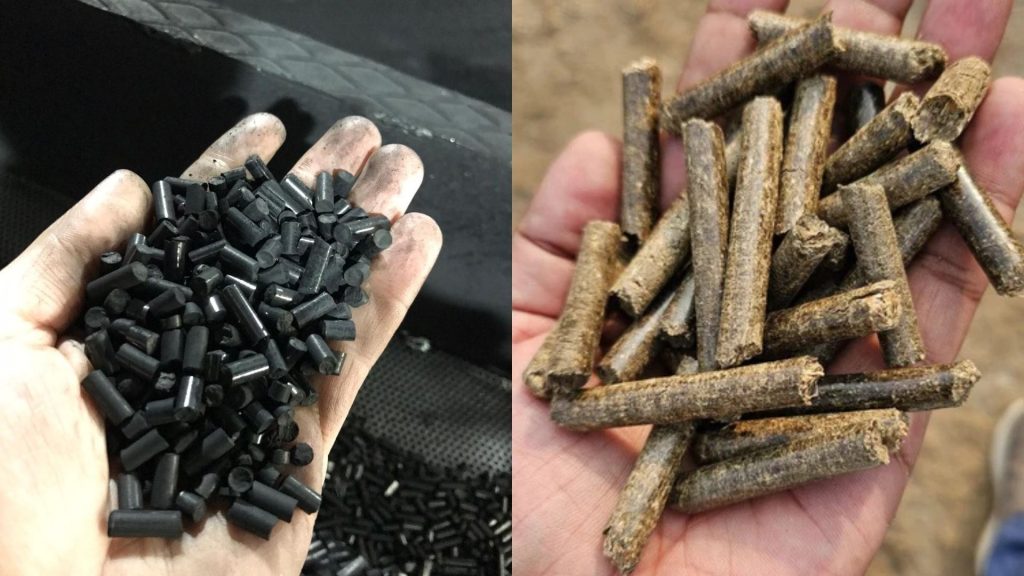
Conventional wood pellets the kind produced across Vietnam’s export industry, including Phu Tai’s own plants are made by drying and compressing wood residue under high pressure, with natural lignin acting as the binder. Black pellets go through an additional step called torrefaction: the biomass is heated to roughly 200–300°C in a low-oxygen environment before pelletizing.
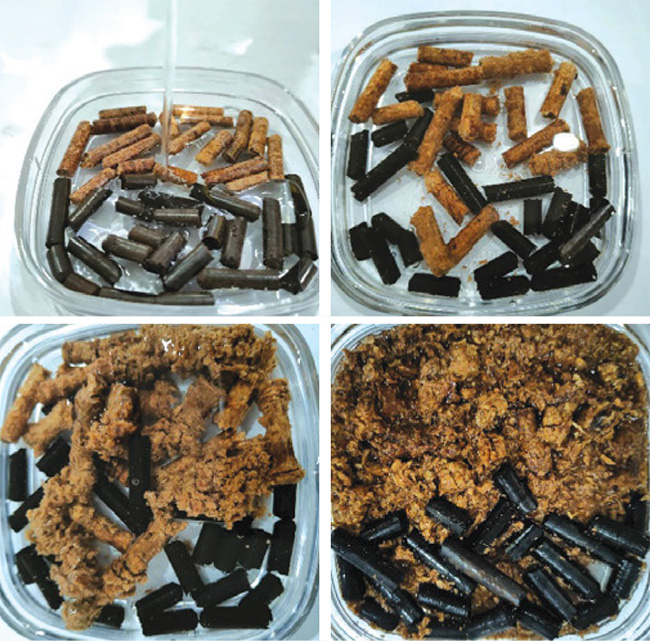
This process changes the fuel’s properties in a few notable ways:
The grindability and outdoor-storage characteristics are the real draw for one particular buyer type: coal power plant operators looking to co-fire biomass alongside coal without a full plant retrofit. For a utility trying to reduce emissions from an existing coal asset, being able to blend in a biomass fuel using the same handling and storage infrastructure rather than building new dedicated silos and feed systems meaningfully lowers the capital cost of the transition.
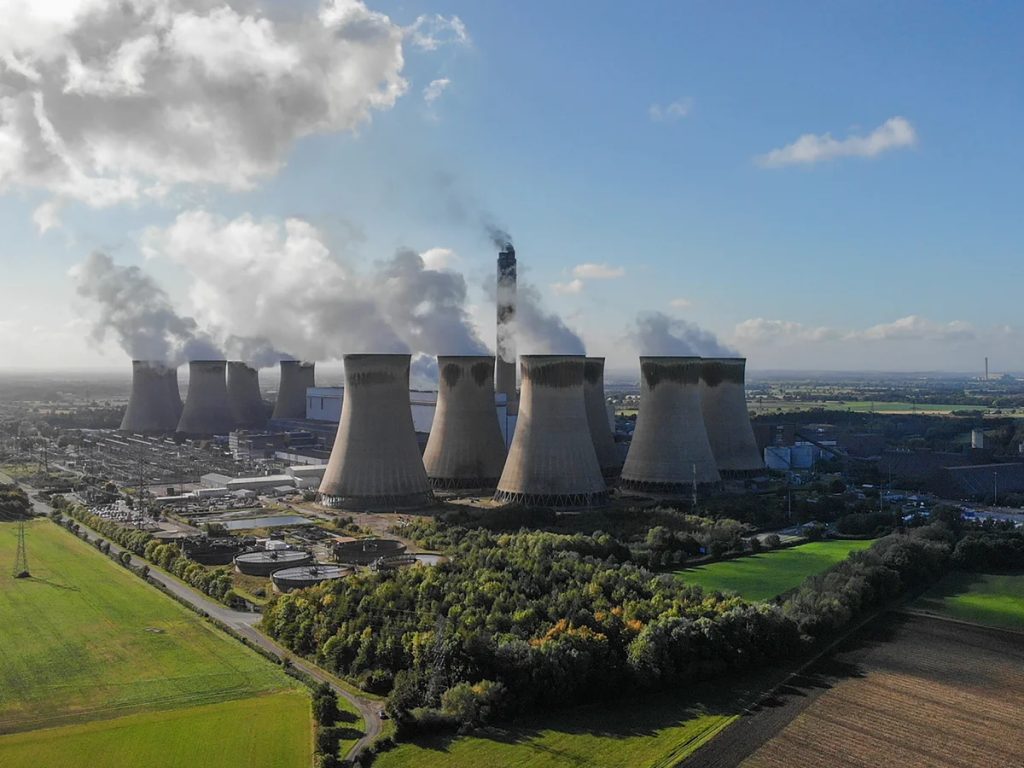
This is the main reason black pellets have drawn attention in Japan and South Korea specifically: both countries operate substantial existing coal power fleets, and both have policy frameworks pushing utilities toward measurable renewable co-firing ratios. A fuel that fits into existing coal infrastructure is, understandably, an attractive option for operators facing near-term compliance targets without the capital timeline for new dedicated biomass plants.
Torrefaction technology and black pellet production remain considerably smaller in scale than conventional wood pellet production globally. A handful of specialized producers companies like Zilkha Biomass Energy and Arbaflame among the more established names have built out commercial-scale torrefaction capacity, but the total global supply base remains a fraction of the white wood pellet market’s established production capacity.
Certification frameworks are also less mature: while conventional wood pellets are well served by established standards like ISO 17225 and certification schemes such as ENplus and SBP, equivalent internationally recognized standards specifically for torrefied biomass are still developing a factor buyers should weigh when evaluating long-term supply contracts in this category.
For buyers operating dedicated biomass power plants as opposed to coal co-firing setups conventional white wood pellets remain the established, widely certified, and most readily available fuel option, with a mature global supply base and well-understood quality standards. Black pellets are best understood today as a complementary technology suited to a specific use case (coal co-firing) rather than a wholesale replacement for the wood pellet supply chains already in place.
We’ll look more closely at how the two fuel types compare directly and where the broader wood pellet market is likely heading in upcoming articles. In the meantime, buyers with questions about conventional wood pellet specifications and supply are welcome to contact our team or request a quotation.